
TIFFA Test in Pregnancy: Everything You Need to Know
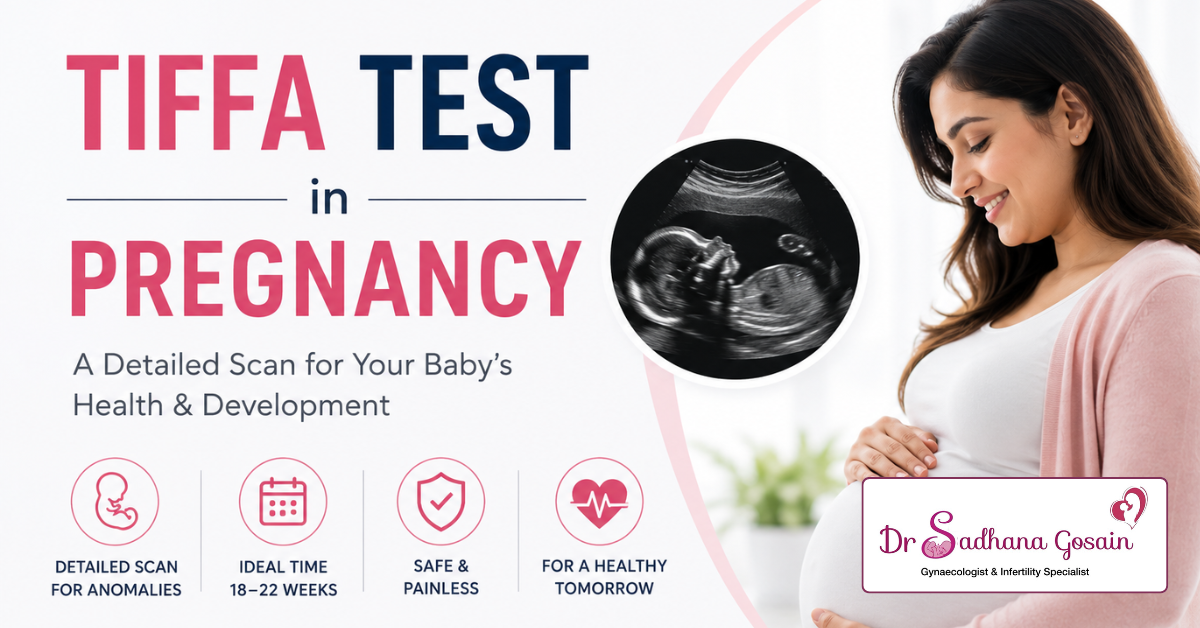
The TIFFA test in pregnancy is one of the most important ultrasound scans a mother-to-be will undergo during her second trimester. TIFFA stands for Targeted Imaging for Fetal Anomalies. It is a detailed, high-resolution ultrasound scan performed between 18 to 22 weeks of pregnancy to evaluate the growth and development of the baby.
Unlike a routine pregnancy ultrasound, the TIFFA scan is specifically designed to detect structural abnormalities and congenital anomalies in the fetus. It gives doctors a comprehensive, organ-by-organ view of the baby — from the brain to the toes — ensuring that the pregnancy is progressing normally and the baby is developing as expected.
This scan is also commonly referred to as the anomaly scan, mid-pregnancy scan, or Level 2 ultrasound. Every pregnant woman should understand what this test is, why it matters, and what to expect during the procedure.
Why Is the TIFFA Test in Pregnancy Important?
The TIFFA test in pregnancy plays a crucial role in prenatal care. Here is why doctors recommend it for every pregnant woman:
- Early detection of fetal anomalies: The scan identifies structural defects in major organs such as the brain, heart, kidneys, spine, and limbs — conditions that may require early medical intervention or counselling.
- Assessment of fetal growth: It measures the baby’s size and weight to confirm healthy development and rule out growth restriction.
- Placenta and amniotic fluid evaluation: The position of the placenta (especially to detect placenta previa) and the volume of amniotic fluid are assessed.
- Fetal position and presentation: The baby’s position is noted, which becomes relevant for delivery planning later in pregnancy.
- Detection of soft markers: Certain subtle signs, known as soft markers, may indicate chromosomal conditions like Down syndrome. The TIFFA scan helps identify these early.
Early detection through the TIFFA test in pregnancy allows families and healthcare providers to plan ahead — whether that involves additional testing, specialist care, or simply reassurance that the baby is healthy.
When Is the TIFFA Scan Done?
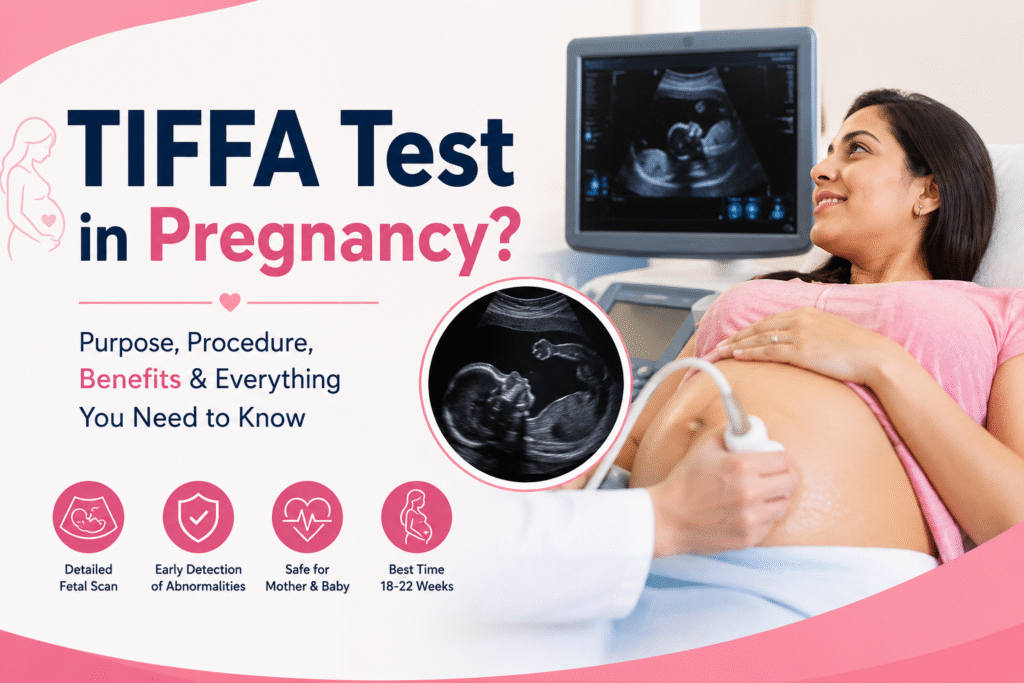
The ideal window for the TIFFA test in pregnancy is 18 to 22 weeks of gestation, with 20 weeks being the most common time for the scan. At this stage:
- The baby is large enough for the organs to be clearly visible
- The baby still has enough space in the womb for the sonologist to get detailed images
- There is still time for further diagnostic testing if any anomaly is detected
Missing this window can make it harder to get accurate images, as the baby continues to grow and space in the uterus becomes more limited.
What Does the TIFFA Test Examine?
During the TIFFA test in pregnancy, a trained sonologist performs a thorough head-to-toe examination of the fetus. Here is a breakdown of what is typically evaluated:
Brain and Head
- Shape and size of the skull
- Brain structure including cerebellum, cerebral ventricles, and corpus callosum
- Detection of conditions like hydrocephalus or neural tube defects
Face
- Presence of cleft lip or palate
- Position of the eyes and nose
Heart
- Four chambers of the heart
- Blood flow through major vessels
- Detection of congenital heart defects, which are among the most common fetal anomalies
Spine
- Structure of the vertebrae
- Detection of spina bifida or other spinal defects
Abdomen and Organs
- Stomach, liver, and bowel for normal development
- Kidneys and bladder — their presence, size, and function
Limbs
- Count and length of arms, legs, fingers, and toes
- Detection of skeletal dysplasia or limb abnormalities
Umbilical Cord and Placenta
- Number of vessels in the umbilical cord (normally three)
- Placental location and grading
Amniotic Fluid
- Volume of fluid (oligohydramnios or polyhydramnios can indicate problems)
How to Prepare for the TIFFA Scan?
Preparing for the TIFFA test in pregnancy is straightforward:
- Full bladder: Drink 2–3 glasses of water about 30–45 minutes before the scan. A full bladder helps improve image clarity.
- Comfortable clothing: Wear loose, comfortable clothing for easy access to the abdomen.
- Eat normally: There is generally no need to fast before a TIFFA scan.
- Bring your records: Carry your previous ultrasound reports, prescription, and pregnancy card for reference.
- Allow adequate time: The scan can take anywhere from 30 minutes to an hour, depending on the baby’s position and cooperation.
What Happens During the TIFFA Test in Pregnancy?
The TIFFA scan is a non-invasive, painless procedure. A sonologist applies gel on your abdomen and moves a handheld probe (transducer) over the belly. The transducer emits sound waves that create real-time images of the baby on a screen.
In some cases, if the images are not clear through the abdomen, a transvaginal ultrasound may be performed. The procedure is safe for both mother and baby and uses no radiation.
The sonologist will systematically scan each organ and structure, noting measurements and observations. The report is then reviewed by your gynaecologist.
What If an Anomaly Is Detected?
Finding something unexpected during the TIFFA test in pregnancy can be stressful — but it is important to remember that not every finding is cause for alarm. Some findings may be minor variations, while others may require further investigation.
If the scan reveals a potential concern, your doctor may recommend:
- Repeat ultrasound after a few weeks to monitor the finding
- Fetal echocardiography for a detailed study of the heart
- Amniocentesis or chorionic villus sampling (CVS) for chromosomal testing
- Referral to a fetal medicine specialist for a detailed evaluation
The goal is always to gather as much information as possible to support the health of both mother and baby. Early knowledge empowers timely, informed decision-making.
Is the TIFFA Test Mandatory?
The TIFFA test in pregnancy is not legally mandatory, but it is strongly recommended by obstetricians and gynaecologists as a standard part of prenatal care. Most healthcare guidelines — including those from the International Society of Ultrasound in Obstetrics and Gynecology (ISUOG) — advise all pregnant women to undergo this scan.
Skipping the TIFFA scan means missing the opportunity to detect conditions that, when identified early, can significantly improve outcomes for the baby.
TIFFA Test vs. Regular Ultrasound: What’s the Difference?
| Feature | Regular Ultrasound | TIFFA Scan |
|---|---|---|
| Purpose | Basic fetal check | Detailed anomaly detection |
| Timing | Any trimester | 18–22 weeks |
| Duration | 10–15 minutes | 30–60 minutes |
| Organs Examined | Limited | All major organs |
| Specialist Required | Radiologist | Trained fetal sonologist |
The TIFFA test in pregnancy is far more comprehensive than a routine scan and should not be skipped in favour of a standard ultrasound.
Consult a Specialist for Your TIFFA Scan
The accuracy and value of a TIFFA scan depend greatly on the expertise of the doctor interpreting the results. If you have concerns about your TIFFA test in pregnancy — or need a trusted professional to guide you through your prenatal care journey — it is essential to consult an experienced gynaecologist.
For personalised guidance and expert prenatal care, visit the Best Gynecologist in Karol Bagh. Dr. Sadhana Gosain brings years of expertise in managing high-risk pregnancies, prenatal screening, and fetal anomaly detection — giving you the confidence and care you deserve at every stage of your pregnancy.
View this post on Instagram
Final Thoughts
The TIFFA test in pregnancy is a critical milestone in prenatal care that every expectant mother should prioritise. It offers a detailed window into your baby’s development, helps detect potential anomalies early, and gives healthcare providers the information they need to ensure a safe and healthy pregnancy.
If you are between 18 and 22 weeks pregnant and haven’t scheduled your TIFFA scan yet, now is the time. Speak to your doctor, prepare your questions, and take this important step toward a healthy pregnancy and a healthy baby.
Disclaimer: This article is for informational purposes only and does not substitute professional medical advice. Always consult a qualified gynaecologist for personalised guidance during pregnancy.
Dr. Sadhana Gosain - Expert Gynecologist in Delhi Dr. Sadhana Gosain is a highly experienced gynecologist specializing in fertility treatments, pregnancy care, childbirth, and managing complications such as PCOD, infertility, menstrual disorders, and gynecological diseases.
