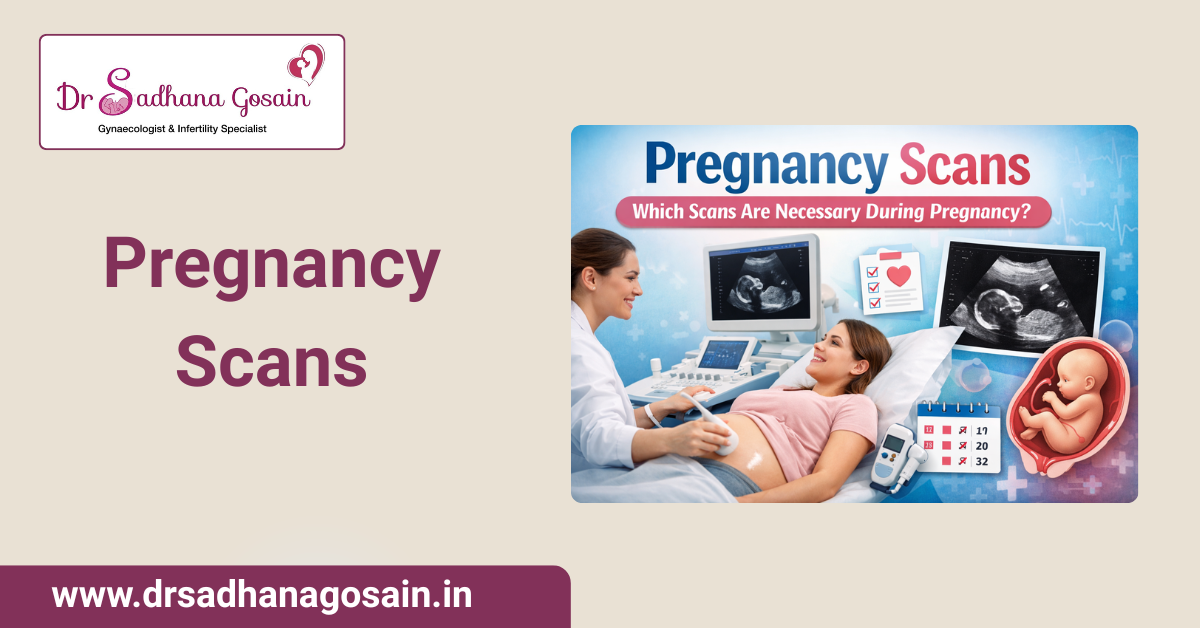

Pregnancy Scans – Which Scans Are Necessary During Pregnancy?
Pregnancy is a beautiful and life-changing journey, but it also comes with many questions and concerns for expecting parents. One of the most common questions asked by pregnant women is which scans are necessary during pregnancy and why they are important.
Pregnancy scans play a vital role in monitoring the baby’s growth, detecting complications early, and ensuring the health and safety of both mother and child. With advancements in medical imaging, doctors can now track fetal development with great accuracy at different stages of pregnancy.
In this detailed guide, we will explain pregnancy scans, their purpose, timeline, benefits, and answer the most common doubts related to which scans are necessary during pregnancy.
What Are Pregnancy Scans?
Pregnancy scans, also known as ultrasound scans, are imaging tests that use sound waves to create images of the baby inside the womb. These scans help gynecologists assess:
-
Baby’s growth and development
-
Gestational age
-
Baby’s heartbeat and movements
-
Position of the placenta
-
Amniotic fluid levels
-
Presence of any abnormalities
Pregnancy scans are safe, painless, and do not involve radiation, making them suitable for both mother and baby.
Why Are Pregnancy Scans Important?
Pregnancy scans are not done just to see the baby; they serve several medical purposes:
-
Confirm pregnancy and due date
-
Detect multiple pregnancies (twins or more)
-
Identify congenital abnormalities early
-
Monitor fetal growth
-
Check placenta position
-
Reduce pregnancy-related risks
Timely scans ensure that any complications can be detected and managed early.
Which Scans Are Necessary During Pregnancy?
Many women feel confused about the number of scans required during pregnancy. While scan schedules may vary slightly depending on individual health conditions, the following are the most important pregnancy scans recommended by doctors.
Let us understand which scans are necessary during pregnancy, trimester-wise.
1. First Trimester Pregnancy Scan (Dating Scan)
Time: 6–9 weeks
The first pregnancy scan is usually done in the first trimester to confirm pregnancy.
Purpose of First Pregnancy Scan
-
Confirm intrauterine pregnancy
-
Detect fetal heartbeat
-
Calculate gestational age
-
Estimate expected delivery date (EDD)
-
Identify ectopic pregnancy
This scan helps establish a baseline for the entire pregnancy.
👉 Read in detail about the first pregnancy scan here:
2. Nuchal Translucency (NT) Scan
Time: 11–13 weeks
The NT scan is one of the most important scans in early pregnancy.
Why NT Scan Is Important
-
Measures fluid at the back of the baby’s neck
-
Screens for chromosomal abnormalities like:
-
Down Syndrome
-
Trisomy 18
-
Trisomy 13
-
This scan is usually combined with blood tests for dual marker screening.
3. Second Trimester Anomaly Scan (Level II Scan)
Time: 18–22 weeks
The anomaly scan is one of the most detailed and critical pregnancy scans.
Purpose of Anomaly Scan
-
Examine baby’s organs (heart, brain, spine, kidneys)
-
Check limb formation
-
Identify structural abnormalities
-
Assess placenta and amniotic fluid
This scan gives a clear picture of the baby’s development and is crucial in deciding further medical care.
4. Growth Scan (Third Trimester Scan)
Time: 28–32 weeks
The growth scan evaluates whether the baby is growing at a healthy pace.
Why Growth Scan Is Necessary
-
Measure baby’s weight and size
-
Check fetal movements
-
Monitor placenta position
-
Detect growth restriction or excess growth
This scan helps doctors plan delivery, especially in high-risk pregnancies.
5. Doppler Scan
Time: 28–36 weeks (if required)
A Doppler scan measures blood flow between:
-
Mother and placenta
-
Placenta and baby
-
Baby’s brain and heart
When Doppler Scan Is Recommended
-
High blood pressure
-
Diabetes during pregnancy
-
Growth-restricted baby
-
Reduced fetal movements
Not all pregnancies require a Doppler scan, but it is essential in complicated cases.
6. Biophysical Profile (BPP) Scan
Time: Last few weeks of pregnancy
This scan evaluates baby’s overall well-being by checking:
-
Fetal breathing
-
Muscle tone
-
Movements
-
Amniotic fluid
It is usually done when doctors suspect fetal distress.
How Many Pregnancy Scans Are Usually Required?
In a normal pregnancy, 4–6 pregnancy scans are usually sufficient. However, the number may increase if the pregnancy is high-risk or complications arise.
Summary of Necessary Pregnancy Scans
| Trimester | Scan Name |
|---|---|
| First Trimester | Dating Scan, NT Scan |
| Second Trimester | Anomaly Scan |
| Third Trimester | Growth Scan, Doppler (if needed) |
Are Pregnancy Scans Safe?
Yes, pregnancy scans are completely safe. Ultrasound uses sound waves and does not harm the baby or mother. Millions of women undergo pregnancy scans worldwide without any risk.
View this post on Instagram
Common Questions About Pregnancy Scans
Can pregnancy scans detect all problems?
No scan can detect 100% abnormalities, but important conditions can be identified early.
Is fasting required before pregnancy scans?
Usually no, except for specific tests advised by the doctor.
Can pregnancy scans determine baby’s gender?
In India, revealing fetal gender is illegal under the PCPNDT Act.
Importance of Choosing the Right Gynecologist
Interpreting pregnancy scans accurately requires experience and expertise. Consulting an experienced doctor ensures correct diagnosis and proper guidance throughout pregnancy.
If you are looking for the Best Gynecologist in Karol Bagh Delhi, consult Dr. Sadhana Gosain, who has extensive experience in managing normal and high-risk pregnancies with advanced diagnostic care.
Conclusion
Understanding which scans are necessary during pregnancy helps expecting mothers stay informed and confident throughout their journey. Pregnancy scans are not just routine tests; they are essential tools for ensuring the baby’s healthy development and timely medical intervention when required.
By following the recommended scan schedule and consulting an experienced gynecologist, you can enjoy a safer and stress-free pregnancy experience.
If you are pregnant or planning to conceive, make sure you don’t miss these essential pregnancy scans and always seek expert medical advice.
Dr. Sadhana Gosain - Expert Gynecologist in Delhi Dr. Sadhana Gosain is a highly experienced gynecologist specializing in fertility treatments, pregnancy care, childbirth, and managing complications such as PCOD, infertility, menstrual disorders, and gynecological diseases.
